



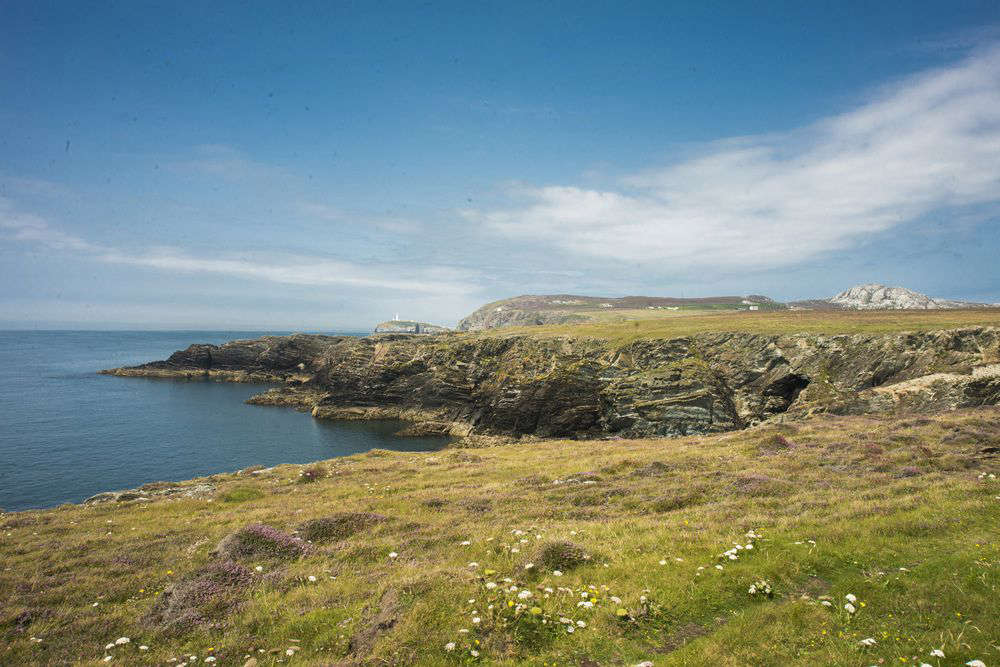
Environmental experts say there's been 'encouraging signs' of wildlife recovery on The Range since restrictions were introduced last year.
An exclusion zone was set up covering a 1.8 mile stretch of the Anglesey coastline, which forms part of Glannau Ynys Gybi - a designated site of special scientific interest (SSSI).
Natural Resources Wales (NRW) says the restrictions will be reintroduced next Monday and remain in place until the end of August in order to build on the progress so far.
Euros Jones, NRW's operations manager, said: "Last year’s exclusion zone reduced the impact of activities not permitted by the landowner or occupier, which had caused disturbance to wildlife and damage to the site’s geology."
"Evidence so far indicates that limiting access in targeted areas can support the protection of priority habitats and species. Keeping the exclusion for 2026 will allow further recovery, continued monitoring and time for all parties to continue their discussions."
Last year, the RSPB was granted extra powers in order to protect rare bird species and the environment, despite concerns from some tourism businesses that they had not been consulted about the measures.
But according to NRW, gull numbers in the area, which forms part of the South Stack Nature Reserve, increased from 14 to more than 40 last year - their highest recorded level.
Seal pups were spotted on a beach where they had not been previously recorded while oyster catchers returned to a cliff area for the first time in over a decade.
Chough activity also increased with birds holding an area which may develop into a new breeding site over several years, while cliff-top plants have also seen signs of recovery - with reduced trampling allowing fragile vegetation to start regenerating.
The RSPB at South Stack says the exclusion zone provided "a much-needed respite for struggling wildlife at The Range".
Laura Kudelska, senior site manager, added: "We were delighted to record higher numbers of breeding birds and seals at the site, as well as observing signs of plant recovery."
"These successes would not have been possible without the cooperation of the public, and we would like to thank visitors for keeping to the footpath, and to activity providers for following the guidance."
"The new exclusion zone this year will provide more time for wildlife to recover and over the next year, we will be working with our partners on creating a way forward with coastal users."
The public can continue to access the Wales Coastal Path which runs through the exclusion zone, but they won't be able to access the land below without permission from the landowner or occupier.
New signae and sensitivity mapping has also been installed to help visitors understand which areas to avoid during the breeding season with monitoring set to continue throughout 2026 to track further changes in wildlife.
Andy Godber, coastal areas manager at Anglesey Council, said: "We continue to support this work to ensure that the sites of rare flora and fauna are protected."
"It is pleasing that relevant conservation organisations are working closely with the outdoor sector representative bodies to find a long term solution where appropriate access is facilitated."
"This will also ensure a greater understanding of the site's unique natural environment can be passed onto the public."
Catherine Williams, executive officer for Eryri Actif, added: "We remain committed to working in partnership to support future access, ensuring it is managed responsibly to protect these special places."
"Having formal agreements in place is an important step forward, and we hope to see meaningful progress ahead of the exclusion period ending."
"Outdoor adventure activities provide vital wellbeing benefits and a unique opportunity to educate visitors about the environment at the South Stack Cliffs RSPB reserve."



 Energy funding for sports clubs
 New app for adults with learning disabilities
 Livestock stolen from Marianglas field
 Two men found dead on Yr Wyddfa
 Consultation begins on local development plan