




Anglesey will not introduce a tourism tax for the time being, council chiefs have confirmed.
Councillors voted on Thursday afternoon to reject proposals for a visitor levy, which would have seen overnight visitors charged up to £1.30 per person, per night.
It's the first local authority in Wales to decide against bringing in the levy, which is set to be introduced in Cardiff next April.
Meanwhile, a decision on whether to introduce a similar levy in neighbouring Gwynedd has been delayed.
Anglesey Council said a public consultation held on the proposals saw more than 2,000 responses from local residents, tourism businesses and community representatives.
The majority of responses were against the levy, highlighting concerns about increased costs for visitors and more administration burdens on accommodation providers, as well as the island's competitiveness as a tourist destination.
Anglesey's tourism industry generates around £360 million a year to the local economy and supports over 3,500 jobs in visitor-related businesses.
Last September, the then-Labour Welsh Government passed legislation allowing Welsh coucils to charge for overnight stays - £1.30 in most accommodation including hotels and 75p for campsites and hostels.
But on Tuesday, Anglesey Council's executive accepted a reccomendation not to introduce the measures, which would have come into force from October 2027.
Council leader Gary Pritchard said: "Tourism is hugely important to Anglesey, supporting jobs, businesses and communities across the island. While we recognise the intention behind the levy, the evidence indicates that now is not the right time to introduce one on Anglesey."
"We consistently champion the SMEs on Anglesey as being the backbone of our economy. This is just as true with the tourism sector."
"However, the tourism sector continues to face a number of challenges and uncertainties, and it is important that we carefully consider any measures that could affect visitor demand, business confidence or the competitiveness of local businesses."
"This decision reflects a balanced consideration of the available evidence and the views shared through the consultation process."
A economic impact assessment, discussed by councillors on Thursday, highlighted uncertainties around the potential impact of a levy locally, including visitor demand, business revenues and employment.
It added that the impact could vary depending on how visitors and businesses responded, particularly if neighbouring areas such as Conwy and Gwynedd do not introduce similar charges.
Councillors also backed calls for its chief executive, Dylan J Williams, to write the Welsh Government calling for a review of current legislation, addressing issues raised in the levy consultation process.
But the local authority said it would monitor how visitor levies are implemented elsewhere in Wales, along with any future changes in legislation, policy and economic conditions affecting the tourism sector.
Cllr Alun Roberts, who holds the tourism portfolio, added: "The tourism sector is navigating a challenging economic environment, and it is important that any changes are considered carefully and in the context of the evidence available."
"The economic impact assessment and consultation responses both highlighted issues that required careful consideration, and those findings have helped inform today's decision. I would like to thank everyone who took part in the consultation and shared their views."
"Anglesey remains one of Wales' leading visitor destinations. Our focus will continue to be on working with the sector and our partners to support sustainable tourism growth, strengthen local communities and ensure that the island remains an attractive and competitive destination for visitors."
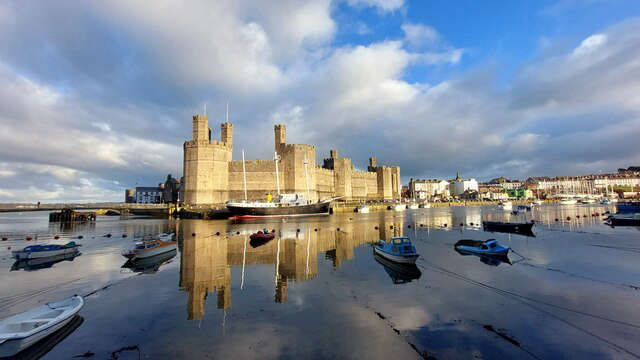
Meanwhile, a public consultation in Gwynedd on introducing a visitor levy has recieved nearly 7,000 responses, which suggested while local residents are divided, local businesses and visitors to the county are strongly opposed.
A spokesperson for Cyngor Gwynedd told MônFM that councillors accepted a recommendation to delay a final decision until once the work of "analysing, considering and responding to the consultation findings" has been completed.
They added: "This follows an 11-week consultation process which gave residents, businesses, organisations and visitors the opportunity for to obtain more information about the matter and to have their say by completing a questionnaire."
"The timetable for decision has been extended due to a combination of factors including: the extension of the consultation period from eight to 11 weeks; a significantly higher than expected number of responses; the need to give full consideration to the issues raised during the process."



 New measures to boost recycling rates
 Pupils name Bangor housing scheme
 Holyhead extension for TaithCymru
 Man jailed for assaulting police officers
 RAF crash: pilots expected to make 'full recovery'